How the Iran War Is Forcing Restaurants in Mumbai, Bengaluru, and Chennai to Shut Down

How the Iran War Is Forcing Restaurants in Mumbai, Bengaluru, and Chennai to Shut Down
Introduction
The ongoing conflict in West Asia involving Iran has begun to ripple across the global economy, with India’s hospitality sector among the unexpected victims. Restaurants and hotels in major cities such as Mumbai, Bengaluru, and Chennai are facing the threat of shutdowns due to a severe shortage of commercial cooking gas. The crisis illustrates how geopolitical conflicts thousands of kilometers away can disrupt everyday life in India, affecting businesses, workers, and consumers.
The Root Cause: Disruption of Energy Supply
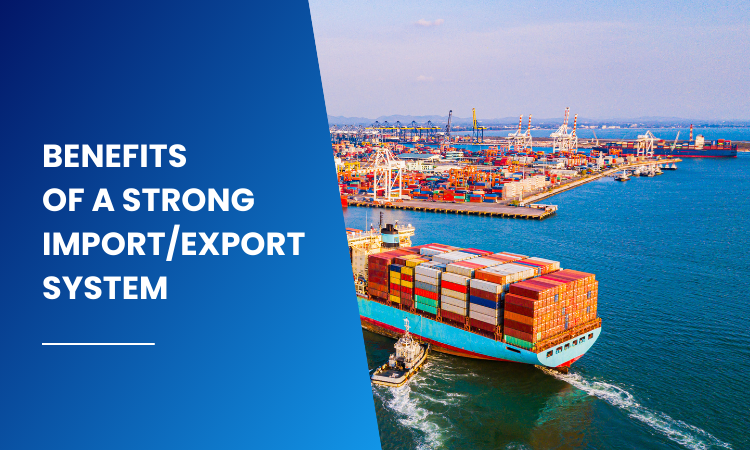
The war involving Iran has disrupted global energy markets and maritime trade routes. A key factor is the instability in the Strait of Hormuz, a vital shipping channel through which a large share of the world’s oil and gas supplies move. Reduced tanker traffic and security risks in the region have interrupted the flow of liquefied petroleum gas (LPG) shipments to several countries, including India.
India relies heavily on LPG imports from Gulf nations such as Qatar and Saudi Arabia. With shipments delayed or reduced, supplies of commercial LPG used by restaurants and hotels have become scarce. At the same time, global oil and gas prices have surged due to the conflict, further straining the supply chain.
Commercial LPG Shortage Hits Restaurants
Restaurants depend heavily on commercial LPG cylinders for cooking. However, many establishments across India are struggling to obtain sufficient supplies. In response to the shortage, authorities have prioritized domestic LPG distribution to households, leaving commercial users with limited access to gas cylinders.
Industry bodies have warned that if supplies do not stabilize soon, thousands of restaurants may be forced to shut temporarily. Many eateries have already started rationing gas or reducing menu items to conserve fuel.
Impact on Major Cities
Mumbai
In Mumbai, the hospitality industry has already begun to feel the impact. Reports indicate that around 20 percent of hotels and restaurants in the city have temporarily closed due to the LPG shortage. Industry associations warn that up to half of the city’s establishments could shut down if the situation continues.
Bengaluru
Bengaluru’s hotel and restaurant associations have also warned of potential shutdowns. Several establishments in the tech hub have reported critically low gas supplies, forcing them to consider suspending operations or shifting to alternative cooking methods such as induction stoves.
Chennai
In Chennai and other parts of Tamil Nadu, hotel owners have cautioned that kitchens could shut within days if commercial LPG deliveries are not restored. The hospitality sector has appealed to the government for urgent intervention to prevent widespread closures.
Economic and Social Impact
The LPG shortage threatens not only restaurants but also the broader economy. The hospitality sector employs millions of workers and supports a large ecosystem that includes suppliers, delivery services, and small vendors.
Possible consequences include:
- Job losses for kitchen staff, delivery workers, and waiters
- Reduced availability of affordable meals for office workers and students
- Disruption to food delivery services and catering businesses
- Financial losses for small restaurant owners
Stock markets have also reacted to the crisis, with shares of food service and quick-service restaurant companies declining amid concerns over rising costs and supply disruptions.
Government Response
The Indian government has begun monitoring the situation closely. Authorities have set up a panel to review emergency requests from the hospitality industry and explore ways to stabilize LPG supply. Some businesses are temporarily switching to electric cooking equipment or reducing operating hours to manage the shortage.
However, industry groups say a quick solution is needed because restaurants typically operate with limited gas reserves.
Conclusion
The LPG crisis affecting restaurants in Mumbai, Bengaluru, and Chennai highlights how deeply interconnected the global economy has become. A war in West Asia has disrupted energy supply chains, causing shortages that are now forcing businesses in India to shut down kitchens.
If the conflict continues to disrupt shipping routes and energy markets, the hospitality sector may face prolonged challenges. For now, restaurant owners across India are hoping for a quick stabilization of global energy supplies before the crisis spreads further across the industry.
Stay informed with our latest news and updates.
Get breaking news and curated stories delivered to your inbox every day.
Be the first to know what's happening around the world.