Delhi Schools Suspend Outdoor Activities Amid Alarming Air Pollution
Delhi Schools Suspend Outdoor Activities Amid Alarming Air Pollution
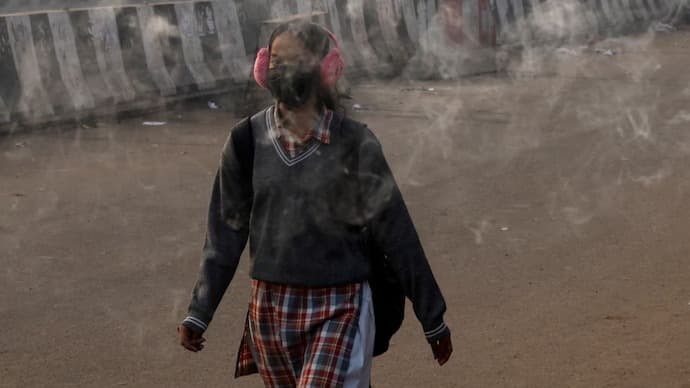
New Delhi — As Delhi’s air quality plunges to “very poor” and “severe” levels once again, the city’s schools are taking drastic measures to protect students: suspending outdoor activities like sports, assemblies, and physical education. The move comes amid growing concern over the health risks posed by prolonged exposure to toxic smog.
Smog Chokes the Capital
Delhi has been blanketed by thick smog, driving Air Quality Index (AQI) readings into hazardous territory. In several parts of the city, the AQI has soared past the “severe” category, prompting urgent warnings from health experts about the long-term impact on children.
According to air quality analysts, breathing in this level of pollution is akin to smoking multiple cigarettes a day — a stark demonstration of just how dangerous the air has become for the young and vulnerable.
How Schools Are Reacting
1. Outdoor Activities Halted
Many schools across Delhi have proactively canceled or shifted outside events indoors. Morning assemblies and PE classes that would normally be held on playgrounds are now being conducted inside classrooms or auditoriums. India Today
Some institutions have also minimized sports competitions scheduled for this period.
2. Hybrid and Remote Learning
For younger students — particularly those in Classes 1 to 5 — the air crisis has triggered a shift to hybrid or fully online classes.
At the same time, schools for older children are implementing stricter indoor precautions, including sealed classrooms and upgraded air purifiers.
3. Health Safety Measures
- Masks: Many schools have made masks mandatory for students and staff, especially when moving between spaces or briefly stepping outside.
- Indoor air purification: Classrooms and assembly halls are being equipped with air purifiers to filter harmful particulates.
- Dust control: Some schools use sprinklers and damp cleaning methods to suppress dust on campus.
4. Legal and Policy Pressure
A group of schoolchildren, represented by their parents, has petitioned the Delhi High Court. They want a directive to ban all outdoor sports events between November and January — the peak pollution months.
In addition, the Delhi government has reportedly asked schools to postpone major sports competitions planned in November and December to safeguard student health.

Challenges and Concerns
While the pause on outdoor activities is a reassuring step, it’s not without complications:
- Indoor Air Risks: Experts warn that indoor spaces are not necessarily safe if ventilation is poor or air purifiers are not effective.
- Academic Disruption: Moving outdoor classes inside or shifting young students to online mode may disrupt the usual flow of school life and learning.
- Equity Issues: Not all schools may be equally equipped to install air purifiers — raising questions about fairness and access.
- Long-Term Solution Needed: These are stop-gap measures. Without broader action to control pollution — from vehicles, construction, and regional crop burning — this could become a recurring crisis.
The Bigger Picture
Delhi’s recurring winter smog is not a new phenomenon. The city frequently triggers its own Graded Response Action Plan (GRAP), which enforces pollution-control measures when the AQI worsens. Reuters+1
Still, critics argue that relying on temporary school-level measures is insufficient. They call for stronger structural solutions — such as stricter vehicle emissions norms, better construction dust suppression, and coordinated regional efforts to address stubble burning.
Why It Matters
- Health First: Children are especially vulnerable to air pollution. Long-term exposure can impair lung development, exacerbate asthma, and lead to chronic respiratory conditions.
- Education at Risk: Though schools are adapting, the disruption could have knock-on effects on learning, social interaction, and physical growth.
- Policy Test: How effectively Delhi navigates this crisis could set a precedent for other cities that regularly grapple with toxic air.
Looking Ahead
- Schools may continue to monitor AQI levels closely and adjust their protocols based on forecasts and pollution alerts.
- There is scope for long-term infrastructure upgrades: better HVAC (heating, ventilation, air conditioning) systems, widespread air purifiers, and pollution monitoring inside schools.
- Civil society and judicial pressure may increase, pushing authorities to adopt more aggressive and preventive anti-pollution policies.
Conclusion
The decision by Delhi’s schools to suspend outdoor activities is a vital protective measure in the face of a public health threat. But it also underscores a bigger, systemic problem: without sustained and rigorous policy action, such emergency steps will remain just that — temporary fixes in a recurring crisis.
Stay informed with our latest news and updates.
Get breaking news and curated stories delivered to your inbox every day.
Be the first to know what's happening around the world.